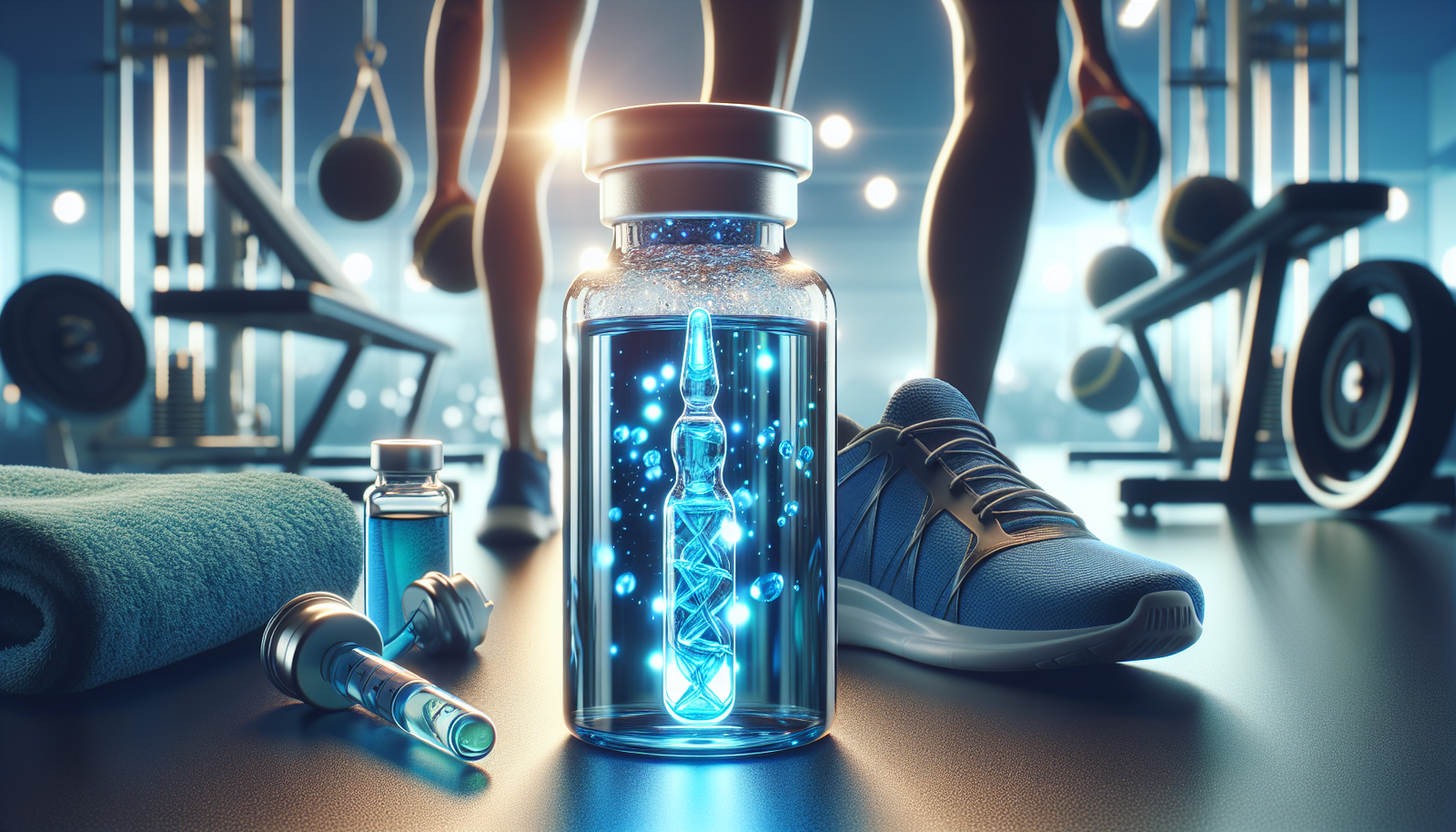
Could there be a substance that has the potential to enhance athletic performance in a significant way? Methylene blue, a compound with a rich history in both medicine and research, is gaining attention in the realm of sports and exercise performance. This article will discuss how methylene blue may benefit athletes, considering its potential mechanisms, applications, and research findings that have emerged in recent years.
Understanding Methylene Blue
Methylene blue, originally synthesized in 1876, is a synthetic dye that has been used for various purposes, including as a medication. It is known for its role in treating methemoglobinemia, a condition in which blood cannot effectively carry oxygen. In recent years, researchers have begun to investigate its potential benefits in athletic settings.
The Chemical Composition of Methylene Blue
Methylene blue (Chemical Formula: C16H18ClN3S) is a thiazine dye, and its unique chemical properties allow it to participate in various redox reactions. It can act as an electron donor and acceptor in biological systems, which is what makes it particularly interesting for athletic applications.
Historical Uses of Methylene Blue
Initially employed in the medical field, methylene blue has been used to treat several conditions, including malaria, urinary tract infections, and even Alzheimer’s disease. Its antifungal and antioxidant properties have also sparked interest among researchers exploring its effects beyond traditional medicinal applications.
The Mechanism of Action in the Body
Understanding how methylene blue operates at the cellular level is crucial to appreciating its potential benefits for athletes. The primary mechanisms involve mitochondrial function and cellular respiration.
Mitochondrial Function and Energy Production
Mitochondria are the powerhouse of the cell, responsible for generating adenosine triphosphate (ATP), the energy currency that fuels your muscles during exercise. Methylene blue has been shown to enhance mitochondrial function, potentially increasing ATP production and energy availability.
Table 1: Comparison of ATP Production in Presence and Absence of Methylene Blue
| Condition | ATP Production Level |
|---|---|
| Without Methylene Blue | Lower |
| With Methylene Blue | Higher |
Antioxidant Properties
Exercise induces oxidative stress in the body, creating free radicals that can lead to fatigue and decreased performance. Methylene blue exhibits antioxidant properties, which may help mitigate exercise-induced oxidative damage and support recovery.

Potential Benefits for Athletes
Given its chemical properties and mechanisms of action, methylene blue may offer a range of benefits for athletes seeking to enhance performance and recovery.
Enhanced Endurance
Improved mitochondrial function may lead to better endurance during prolonged exercise. By increasing ATP production, methylene blue could delay the onset of fatigue, allowing athletes to push through longer workouts and competitions.
Increased Mental Clarity and Focus
The ability to function at a high cognitive level is crucial for athletes, particularly in competitive environments. Some studies suggest that methylene blue has neuroenhancing effects, potentially improving cognitive functions such as memory, attention, and focus during sports activities.
Faster Recovery Times
Post-exercise recovery is vital for an athlete’s performance over time. Recovery can be enhanced through methylene blue’s antioxidant properties, which may reduce muscle soreness and inflammation. This could translate to shorter recovery periods between intense training sessions.
Enhanced Muscle Performance
Methylene blue has been researched for its ability to improve muscle performance. By supporting ATP production and limiting oxidative stress, athletes might experience improvements in strength and power output during high-intensity activities.
Evidence from Research Studies
While anecdotal evidence and preliminary research provide interesting insights into the effects of methylene blue on athletic performance, it is essential to examine well-designed studies that investigate its efficacy.
Study 1: Mitochondrial Support and Endurance
A study published in the “Journal of Physiology” explored the effects of methylene blue on endurance training in rats. The findings indicated that methylene blue significantly improved mitochondrial density and function, leading to enhanced endurance capacity. These results may suggest potential applications for athletes seeking to improve their stamina.
Study 2: Cognitive Performance and Focus
Research conducted at a university investigated the effects of methylene blue on cognitive performance during physically demanding tasks. Athletes who received methylene blue showed improved reaction times and focus compared to those who received a placebo. This indicates that methylene blue could be beneficial for athletes in high-pressure situations.
Study 3: Recovery and Muscle Damage
A clinical study examined the role of methylene blue in reducing muscle damage after intense exercise. Participants who consumed methylene blue reported less muscle soreness and decreased markers of inflammation, indicating potential benefits for recovery protocols.

Administration and Dosage
Determining the appropriate dosage and method of administration is essential for maximizing the benefits of methylene blue.
Forms of Methylene Blue
Methylene blue is available in various forms, such as tablets, liquid solutions, and injectable forms. The choice of form may depend on personal preference and the intended use.
Dosage Recommendations
Current research suggests that a dosage of 0.5 to 4 mg/kg may be effective for enhancing athletic performance. However, it is crucial to consult with a healthcare professional before starting any supplementation regimen.
Timing of Administration
The timing of methylene blue consumption can significantly impact its effectiveness. For athletes, taking methylene blue about 30-60 minutes before training or competition may provide optimal results, allowing the body to utilize its benefits during critical performance windows.
Safety and Side Effects
While methylene blue shows promise for enhancing athletic performance, it is essential to consider its safety profile and potential side effects.
Common Side Effects
Some athletes may experience mild side effects, including:
- Nausea
- Headaches
- Dizziness
- Staining of urine and skin (temporary)
Contraindications
Methylene blue should be avoided in certain populations, including:
- Individuals with G6PD deficiency
- Those taking specific medications like monoamine oxidase inhibitors (MAOIs)
Consulting with a healthcare provider is advisable to ensure safe use.
The Future of Methylene Blue in Sports
As research continues to emerge regarding methylene blue’s effects on athletic performance, several areas warrant further investigation.
Long-term Effects
Most studies have focused on short-term usage. Understanding the long-term effects of methylene blue supplementation on athletic performance and overall health remains crucial.
Broader Applications Across Sports
While initial studies focus on endurance athletes or those engaged in high-intensity training, future research should explore its effects across various sports disciplines, including team sports and strength training.
Integration into Training Programs
Athletes and coaches may benefit from understanding how to integrate methylene blue into holistic training programs, addressing not only athletic performance but also recovery protocols, diet, and mental preparation.
Conclusion
The exploration of methylene blue as a potential aid for athletes is still in its infancy, but the evidence pointing toward its benefits is compelling. Whether through enhanced endurance, improved cognitive functions, or expedited recovery times, methylene blue may represent a valuable tool for athletes looking to maximize their performance.
As with any supplement, it’s critical to approach its use thoughtfully. Always consult with a healthcare professional before making any changes to your supplementation routine. With ongoing research and the right approach, methylene blue could very well be an asset in the quest for athletic excellence.